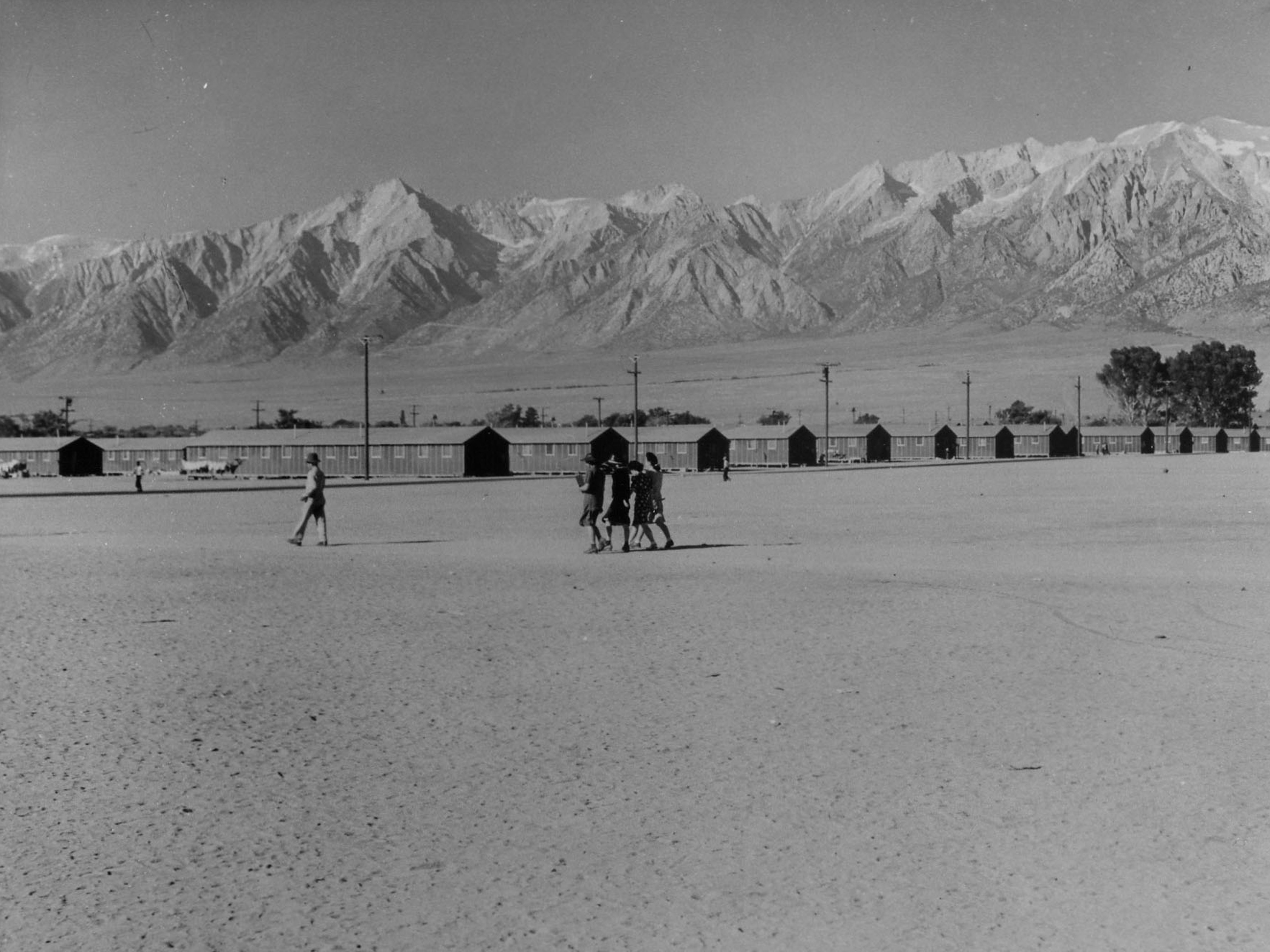
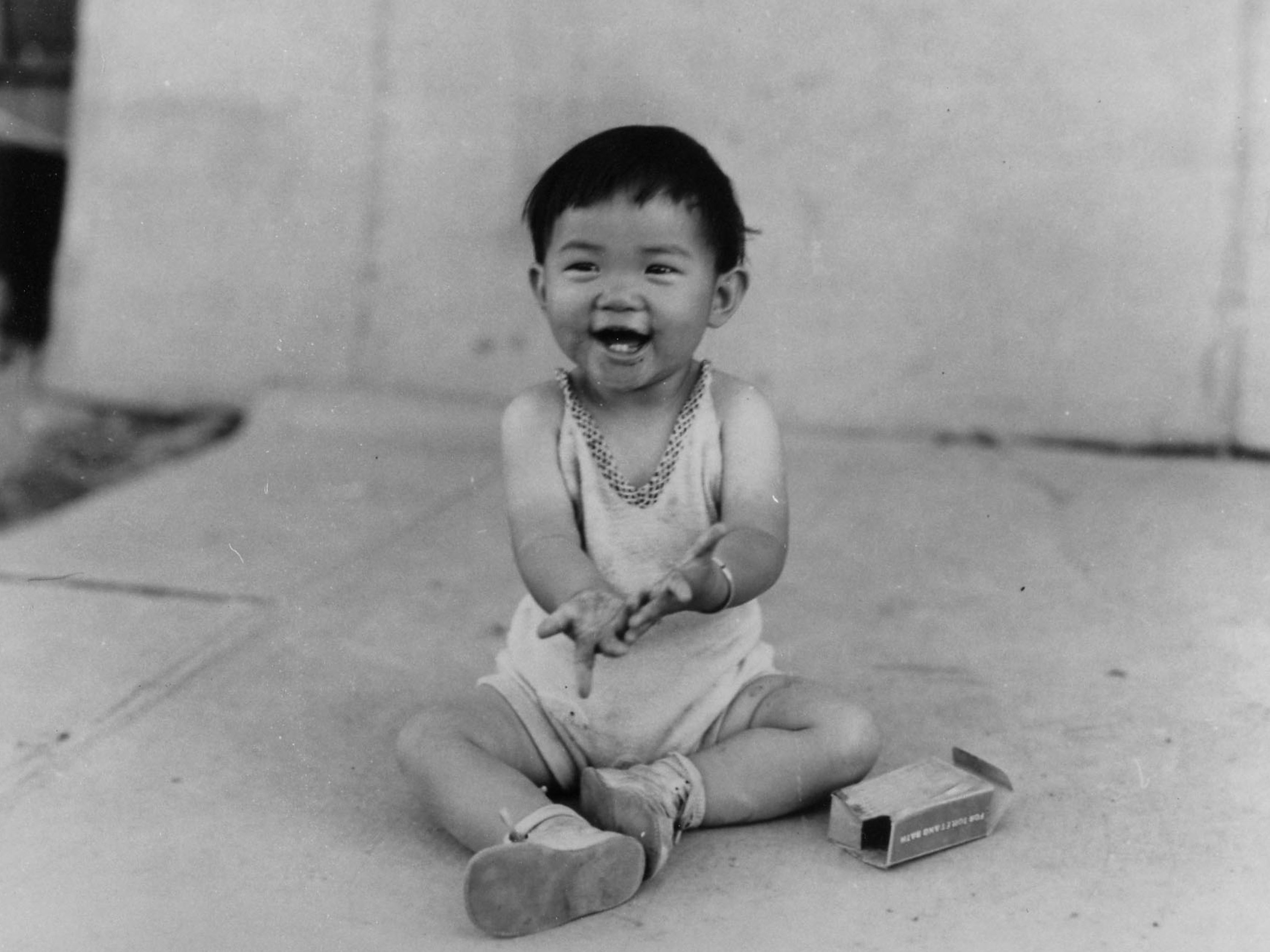
The Camp Experience Part I
- Temporary Detention Centers -
1. Were Japanese Americans given adequate care and accommodations as they were rounded up? Were they given assurances and clear information on what the future held for them?
1. Were Japanese Americans given adequate care and accommodations as they were rounded up? Were they given assurances and clear information on what the future held for them?
- Permanent WRA Camps -
2. Discuss the claim by the U.S. Government that the camps were for the protection of Japanese Americans. Were the barbed wire fences and guard towers meant to keep vigilantes out or Japanese American inmates in?
2. Discuss the claim by the U.S. Government that the camps were for the protection of Japanese Americans. Were the barbed wire fences and guard towers meant to keep vigilantes out or Japanese American inmates in?
Answer- Well,its quite obvious that the truth is that the government wanted to keep the Japanese inside.They thought with them trapped inside of the bob wire fences they would all be safe.
- Camp Life -
3. Were the camps “resettlement communities,” or prisons? What’s the difference between the two?
3. Were the camps “resettlement communities,” or prisons? What’s the difference between the two?
Answer- The camp was Never considered a community if this was a community there would be no freedom or justice this was basically a bunch of idiots that had not thought this plan through intellectually and, for some reason these people with no ethics unlawfully made well force these people to be trapped inside of this prison.
4. Did the War Relocation Authority take measures to protect family life and privacy?
Answer- No they still invaded every home and gave them NO privacy,and there was limited measures to helping them, there was a nurse and, the families really took care of them selves practically no real care was provided the nurse most likely just was able to give out ice packs, band-aids, tissues and other little things like that.
- Questions of Loyalty -
5. How did Japanese Americans respond after being incarcerated without due process of law, to questions asking them whether or not they were unquestioningly loyal to this country?
5. How did Japanese Americans respond after being incarcerated without due process of law, to questions asking them whether or not they were unquestioningly loyal to this country?
Answer-They were willing, to be asked questions thinking that it might gain there freedom and, it just might help them get out sooner.
- Tule Lake Segregation -
6. Were those who answered “no” to the loyalty questions clearly “disloyal” or were they voicing discontent with their treatment?
6. Were those who answered “no” to the loyalty questions clearly “disloyal” or were they voicing discontent with their treatment?
Answer- They were saying no because of the non-justice that was made to them so they would be happy to say no they could not claim loyalty to any country if they were born in Japan.
- Draft Resisters -
7. Why did these young men resist being drafted into the military? Write or improvise a conversation between two brothers in an internment camp who make two different opposing decisions on the draft: one enlists, the other resists. What are their points of agreement, if any? How do they differ? Is one brother more patriotic than the other ?
7. Why did these young men resist being drafted into the military? Write or improvise a conversation between two brothers in an internment camp who make two different opposing decisions on the draft: one enlists, the other resists. What are their points of agreement, if any? How do they differ? Is one brother more patriotic than the other ?
Answer-One brother wants to go, only really so that he may get to ave freedom and be let to fight for the country and, he’s tired of having to be trapped inside of the camp.The other brother wants to jut go back home,and he really just wants peace.
- Military Service -8. What did it take to fight for a country that kept your family interned behind barbed wire?
Answer- It really took a lot to do this to be able to willingly fight for a country who has trapped you behind bob-wire fences.They really only made, you go for punishment if you wanted to go to this place they might even get so mad, and not let you go.
The Camp Experience Part II
1. How do we prevent the injustice of internment from happening again? Perhaps it
starts with learning about this historic mistake, as well as working to
eliminate the causes for continuing racial prejudice today.
starts with learning about this historic mistake, as well as working to
eliminate the causes for continuing racial prejudice today.
Answer- Make everybody equal to one another.
2. What do you think? What is your responsibility? What can you do as one individual? Your voice and actions can be an important part not only of preventing the gross injustice of internment from happening again, but also preventing the other negative effects of racial hatred and prejudice.
Answer- Me as an individual I would make those people that did that to the Japanese I would make them go through the samething they went through.
Photo Reflection